

Funding Area
K-Postsecondary
Education is a strong predictor of all positive life outcomes, including—but not limited to—economic mobility, health, family stability, and community engagement.
Schreiber Philanthropy strives to expand access to high-quality education and support services for under-resourced and under-represented students.
Our Strategy
Schreiber Philanthropy anchors its K-Postsecondary strategy in five key priorities.
Our work is focused within the Chicagoland region, and will evolve based on the dynamic nature of the world we live in. With that in mind, we are committed to learning alongside our partners and being nimble in our strategy to achieve these goals.
K-Postsecondary Priorities
Increase postsecondary completion by investing in wrap-around supports and innovative scholarships/programming that demonstrably improve performance and persistence.
Support educational pathways, including two-to-four-year transfer strategies and postsecondary credentials, to provide a clear and accessible path to upward mobility and economic opportunity.
Leverage data to coalesce the field and invest in innovative policies/practices that will reduce disparities in academic performance.
Increase access to school-based mental health services by investing in effective programs, co-locating resources within schools, and building the pipeline of mental health providers.
Expand college and career access in Lake County by enhancing access to advising and investing in alternative pathways to securing high school diplomas for disconnected youth and adults.
Grantee Spotlight
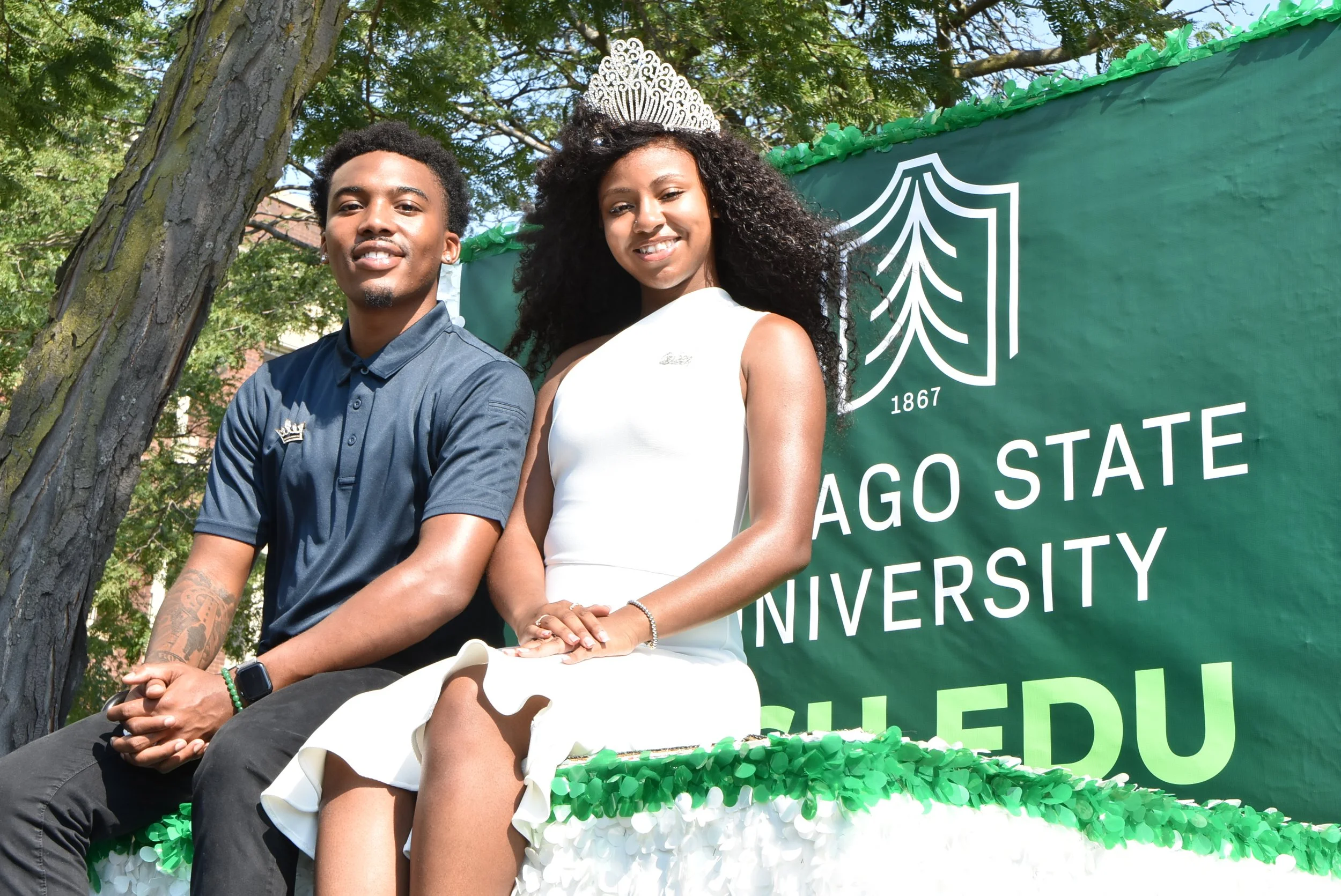
Chicago State University
Chicago State University (CSU), the only four-year Predominantly Black Institution (PBI) in Illinois, serves a student population that is 88% African American or Latine and nearly 90% Pell-eligible. Statewide declines in Black student enrollment have heightened the importance of CSU’s role in advancing equitable degree attainment.
Schreiber Philanthropy supports CSU’s Cougar Commitment Initiative, a comprehensive student success model launched in 2020. Cougar Commitment integrates academic advising, emergency financial assistance, embedded tutoring, mental health supports, and coordinated data systems to improve retention and graduation outcomes.
Through a multi-year investment, CSU is strengthening advising capacity, student support infrastructure, and implementation systems tied to measurable outcomes. This work reinforces CSU’s ability not only to enroll students, but to ensure they persist and graduate.
Grantee Spotlight
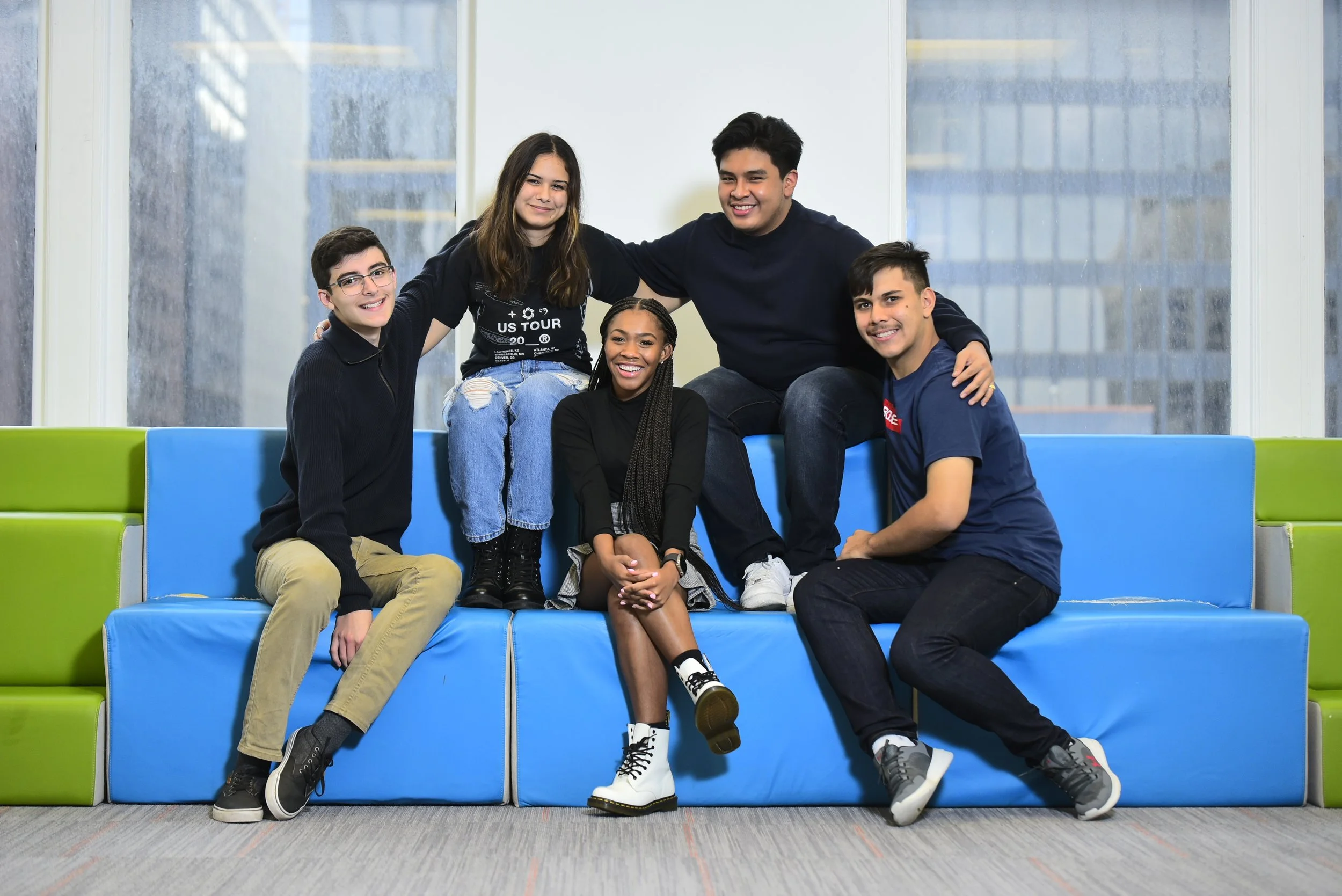
Chicago Scholars
For more than 30 years, Chicago Scholars has supported academically ambitious, first-generation students through a comprehensive, seven-year college access and persistence program. Scholars receive guidance beginning in high school and continuing through college and into early career development.
Nationally, students from low-income families are nearly five times less likely to earn a college degree by age 24 than their higher-income peers, making sustained support during the college journey critical. Chicago Scholars’ outcomes reflect the strength of this long-term model. Approximately 96% of Chicago Scholars matriculate to college, 94% persist to their second year, and about 76% earn a bachelor’s degree within six years, which is significantly higher than comparable outcomes for many first-generation college students nationally.
In winter of 2026, Schreiber Philanthropy made a multi-year investment to establish the Schreiber Scholars Program, a new endowed scholarship fund at Chicago Scholars, while also providing current-use scholarship support to help students address immediate financial gaps. By pairing financial support with advising and mentorship, this partnership helps address the financial gaps students often face, even after maximizing available aid, and, as a result, strengthening persistence and expanding long-term economic mobility for Chicago Scholars across the region.
Grantee Spotlight
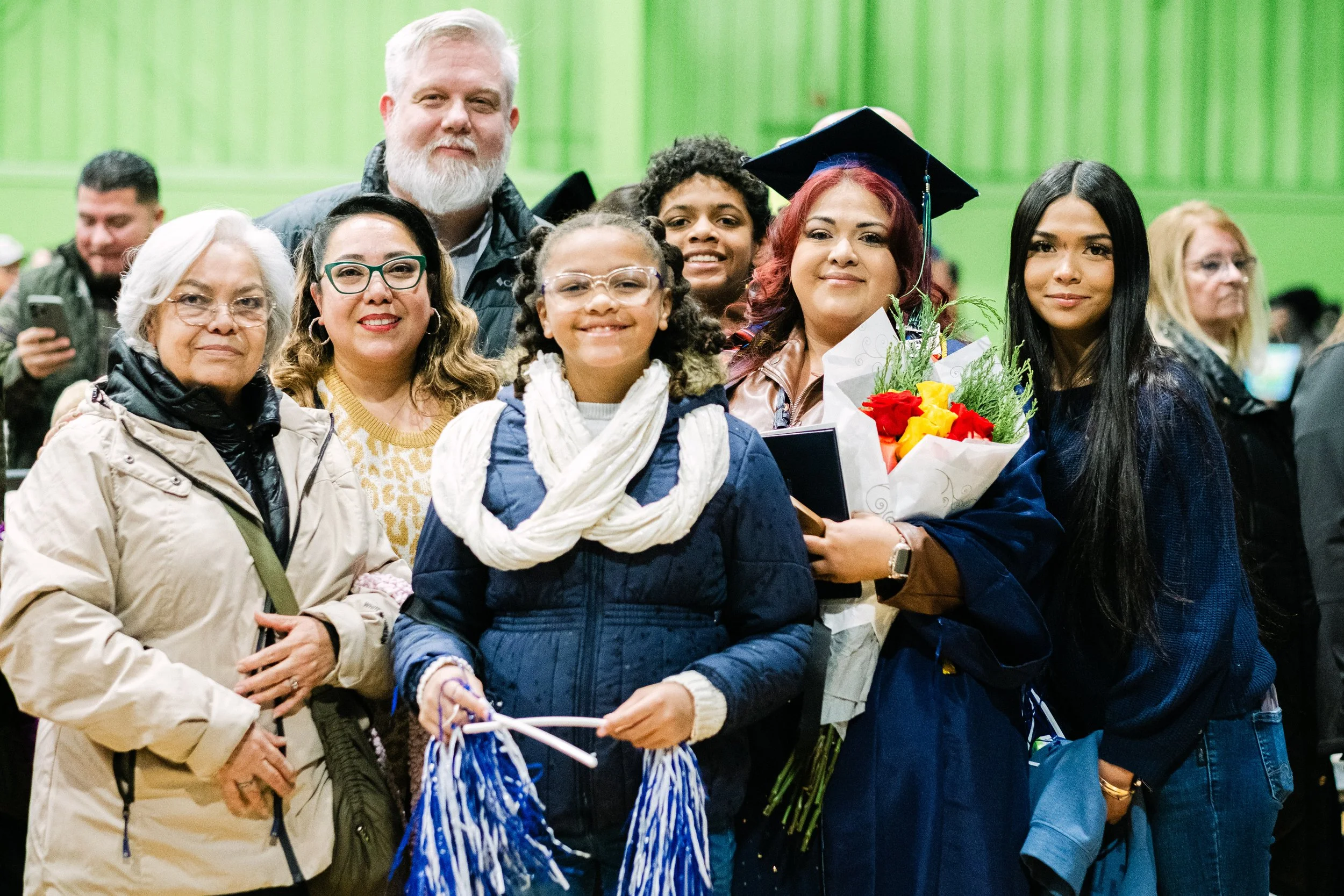
College of Lake County
College of Lake County (CLC) serves more than 30,000 students annually, providing accessible pathways to higher education, workforce training, and economic mobility across the region. Many CLC students are the first in their families to attend college and balance classes with work and family responsibilities, making financial barriers one of the most significant obstacles to degree completion.
To help address this challenge, Schreiber Philanthropy partnered with the CLC Foundation to establish the Schreiber Scholars Endowment, designed to close the gap between financial aid and the cost of attendance for high-need students. By helping cover unmet financial need, the scholarship allows more students to remain enrolled, complete their degrees without debt, and pursue career pathways that strengthen both family stability and the regional workforce.
This partnership also supports a broader set of student success initiatives at CLC, including emergency financial assistance, expanded childcare access for student parents, and additional student support services that help students persist through unexpected challenges. Together, these efforts strengthen CLC’s ability to support students from enrollment through graduation and into long-term economic opportunity.
Grantee Spotlight
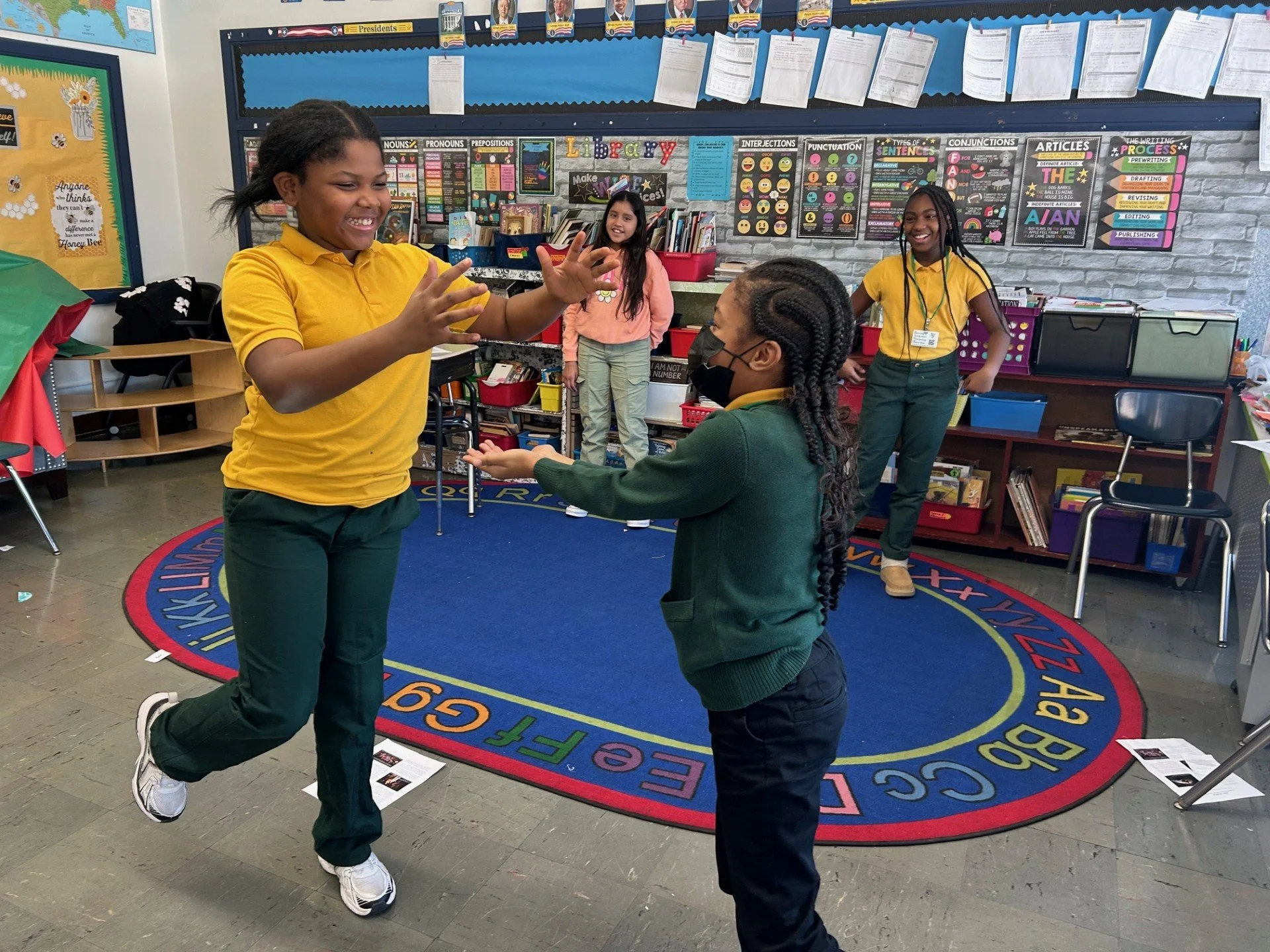
Communities In Schools of Chicago
For more than 35 years, Communities In Schools (CIS) has worked inside public schools to remove barriers that stand between students and their success in school and in life. Through its evidence-based programs, CIS connects 250 Chicago Public Schools with essential community programs and resources, and in 40 of those schools, the organization embeds a CIS staff person to deliver case management and provide students with tailored support. Since the 2018/2019 school year, CIS has provided more than 9,000 students with ongoing intensive support, with fewer than 1% of students dropping out.
Schreiber Philanthropy has partnered with CIS to scale its model for providing students with individual, intensive support to an additional 30 schools, strengthening school-based behavioral health access and improving coordination of wraparound services. By addressing trauma exposure, housing instability, and unmet mental health needs, this partnership reinforces the continuum of care within Chicago’s public education system and strengthens long-term graduation outcomes.
See previous grantee spotlights
Impact
Equitable access to high-quality education has been a key area of focus from the beginning, as John credits much of his success to good teachers and a strong commitment to his academics. After initially focusing on higher education, John and Kathy started moving “backwards,” investing in education at the K – 12 and, eventually, early childhood levels.
Since 2005
$168M+ in Grants
-